
Davie Garage Door Guide
Why Your Garage Door Sensors Keep Drifting Out of Alignment
Davie garages built 1953-2005 on shifting slab foundations and steady South Florida humidity both push safety sensors out of alignment. Here's what causes it and what to check first.
- Licensed & Insured
- Same-Area Service Calls
- Upfront Pricing
Checking It Yourself
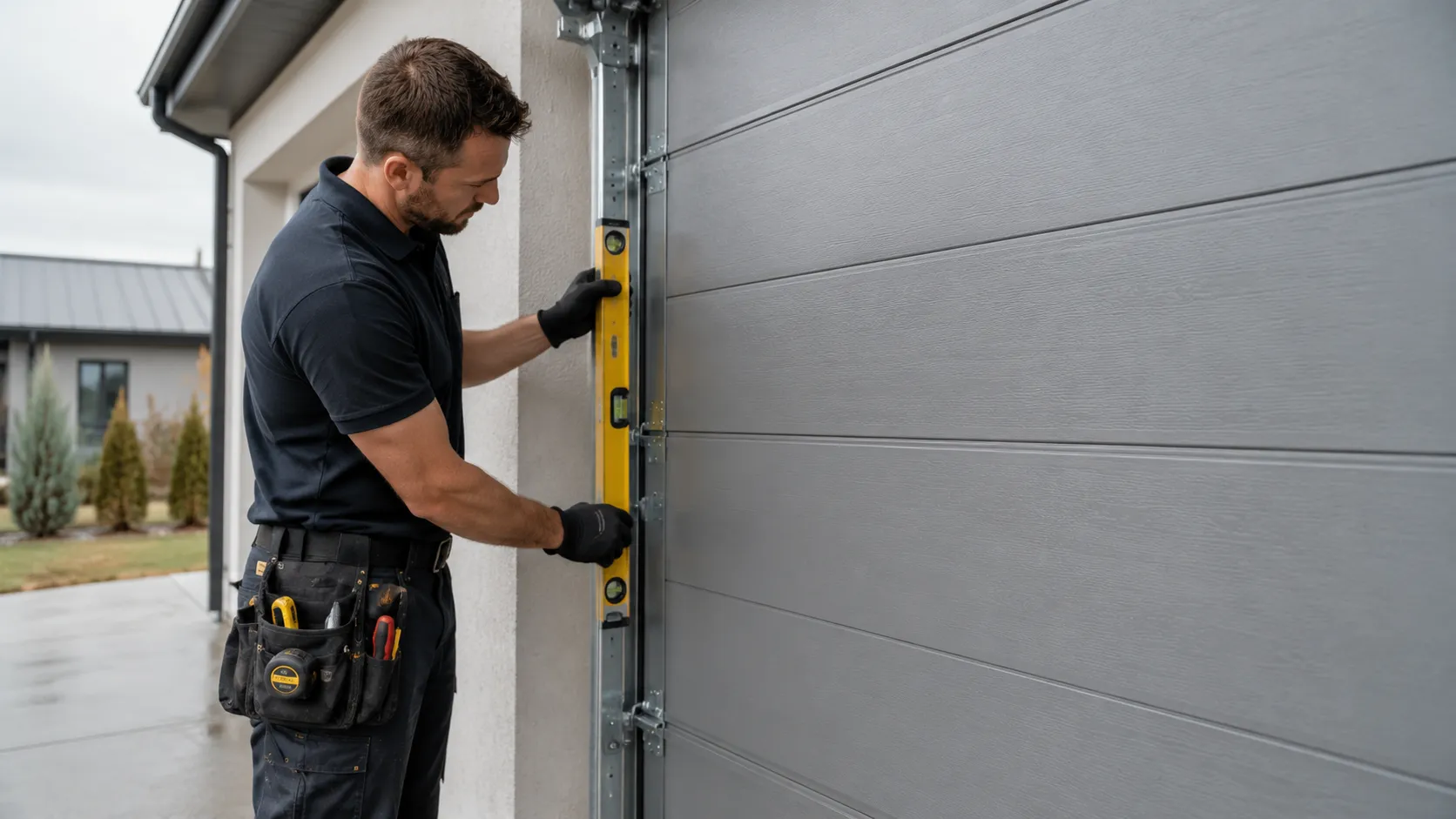
Before you call anyone, look at the two small boxes near the bottom of your track, one on each side. Each has a light - one solid, one blinking when they're out of alignment. Most Davie garages, going up between 1953 and 2005, have these brackets screwed into thin sheet-metal track supports rather than into the framing itself, so a light bump from a bike, a trash can, or a mower deck is enough to knock one a few degrees off.
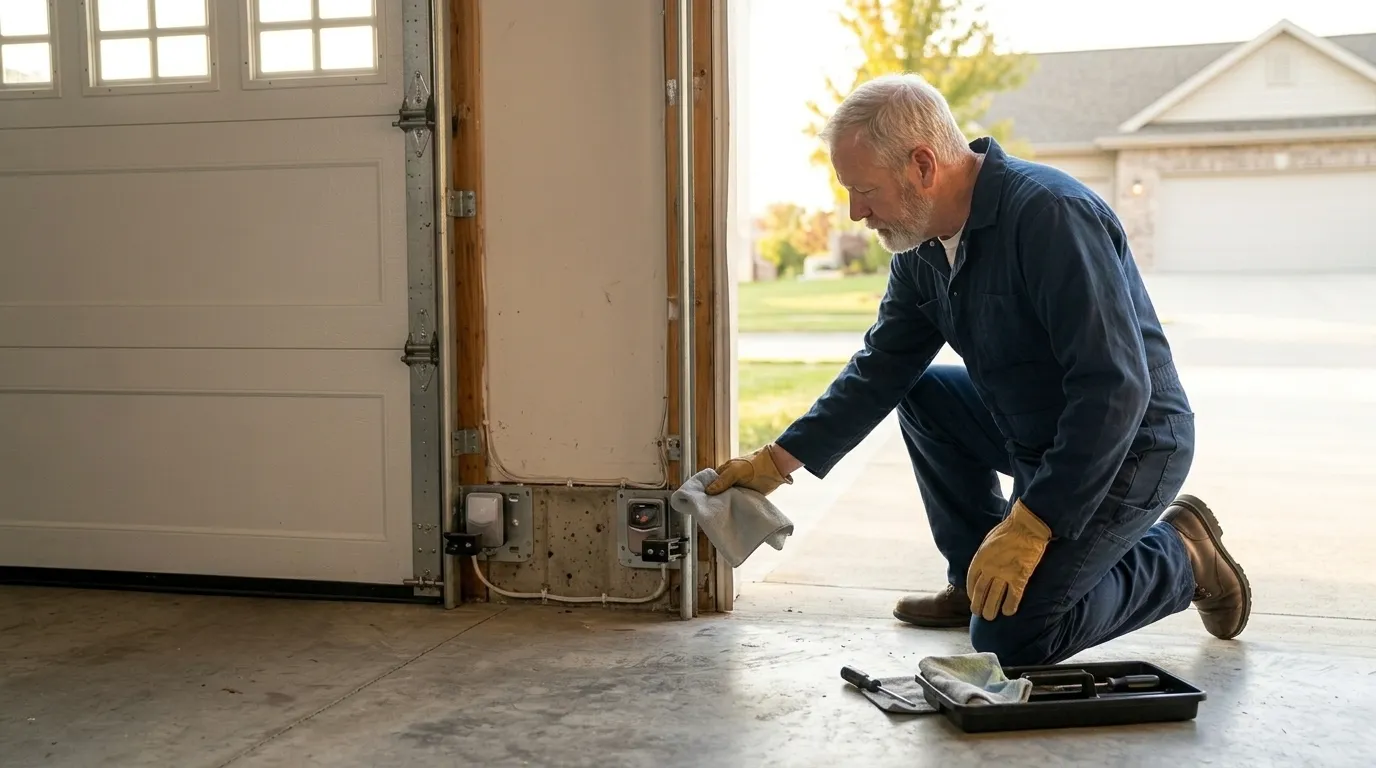
Wipe both lenses first. Dust, pollen, and the fine grit that blows in off a dry lawn build up fast here and can block the beam even when the bracket is straight.
If the lights are still off after cleaning, loosen the wing nut or screw holding the bracket, nudge it by hand until both lights go solid, then snug it back down. Don't force it - the mounting tabs on older brackets are thin and will bend rather than hold.
If you've got a two-story addition or a garage that was converted at some point, check whether the sensor height matches on both sides. Additions built at different times sometimes have mismatched bracket heights, which throws the beam off in a way that looks like a wiring problem but isn't.
What Local Conditions Do
Davie sits in a mild temperate band - no freeze-thaw cycles cracking slabs or heaving foundations the way they do further north. That's good news for your slab, but it doesn't mean the sensors are left alone. Steady humidity and direct sun do a slower version of the same damage: UV breaks down the plastic lens housing over years, and condensation on cooler mornings can fog the lens just enough to cause a false trip.
Across the 40-some named areas that make up this part of the county, housing stock runs mostly 1960s and '70s with some newer builds mixed in. Older concrete slabs here have had decades to settle slightly, and even a quarter-inch of settling under one side of the garage floor is enough to twist a track bracket out of true over time. You won't see it happen - it's gradual - but it's why a sensor that worked fine for years suddenly starts blinking with no obvious cause.
Afternoon sun angle matters too. If your garage faces west, low sun hitting the receiving sensor directly can wash out the beam for a stretch of time each day, which reads as a sensor fault when it's really just glare.
What It Costs
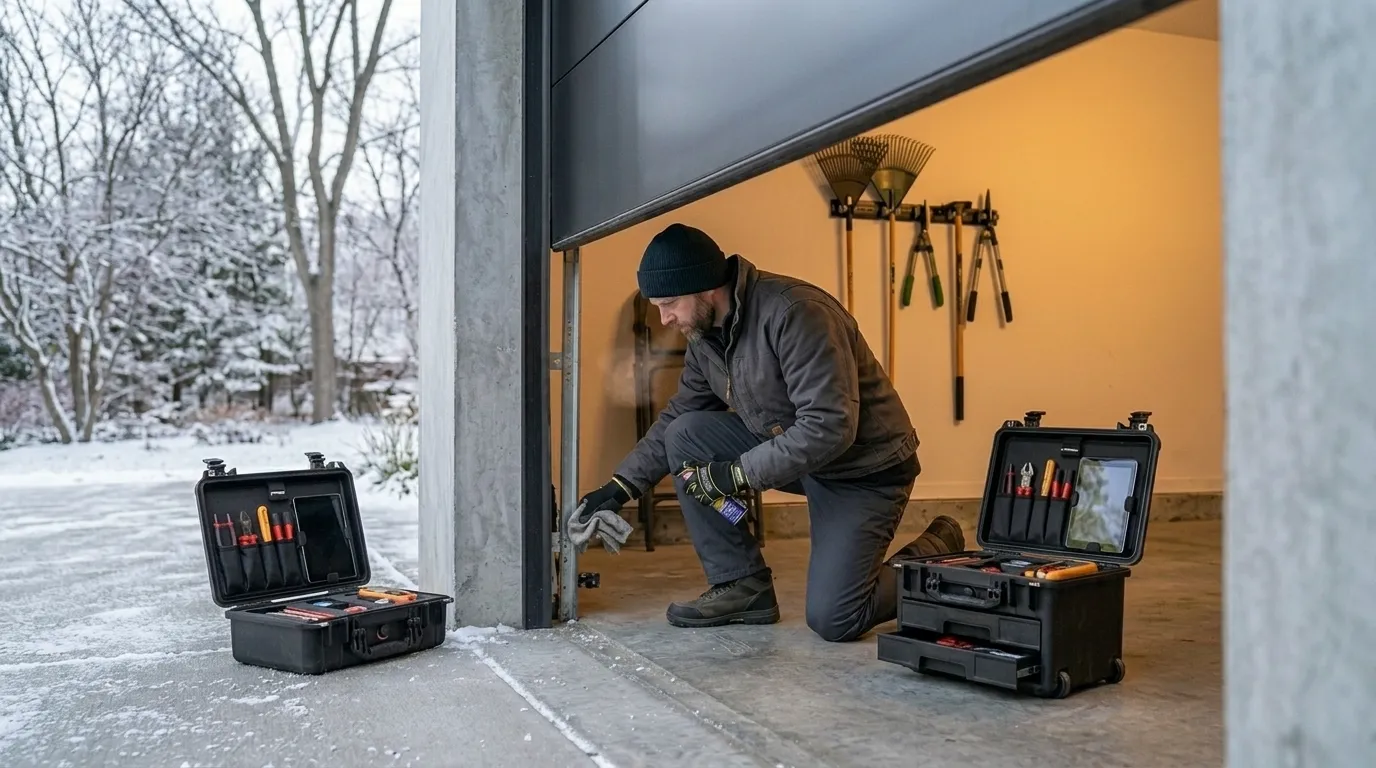
We don't have a fixed number to put here, and giving you one anyway wouldn't be honest. Sensor alignment on its own is usually a short job if the bracket and wiring are intact - most of the labor is diagnosis, not parts. If a bracket is bent, cracked, or the wire's been chewed through by a lawn edger, that changes the job.
What we can tell you: don't let anyone quote you a full sensor replacement over the phone without seeing the bracket condition and the wiring run. A lot of what looks like a bad sensor is actually a loose bracket or a dirty lens, and that's a five-minute fix, not a parts swap. If you're calling around, ask whether the quote assumes a repair or a replacement - those are two different jobs with two different price ranges, and a shop that won't say which one they're quoting isn't being straight with you.
The Problem
The core issue is mechanical, not electronic. Safety sensors work off a straight-line infrared beam between two points a few inches off the floor.
Anything that moves either bracket - even slightly - breaks that line. In a house built in the 1960s or '70s, decades of minor slab settling, seasonal humidity swings in the wood or metal track supports, and simple wear on the mounting screws all add up to brackets that shift a little more each year.
It's rarely one dramatic cause. It's usually a stack of small ones: a slightly uneven slab from the original 1953-2005 build era, a bracket screw that's backed out a turn, a lens clouded from years of Florida humidity, and maybe a step ladder that clipped the wire once.
Each on its own wouldn't stop the door. Together, they're why the same sensor pair needs re-aligning every year or two on houses of this age, even with no obvious damage.
Replacing the whole sensor unit isn't always the fix. If the bracket and wiring are sound, realignment solves it. Replacement makes sense when the lens housing is cracked, the wire insulation has degraded, or the unit's old enough that the photo-eye itself is failing - not just out of position.
How We Can Help
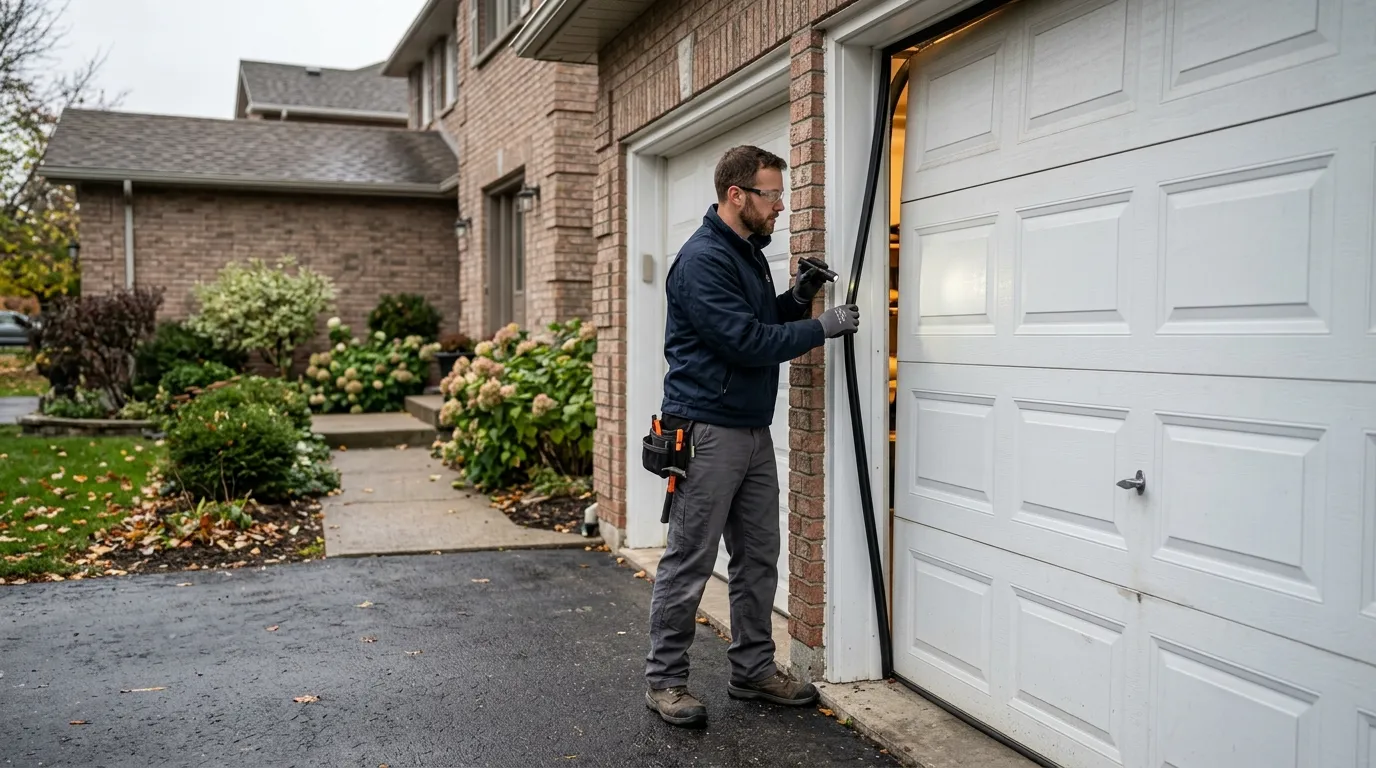
Garage Door Repair
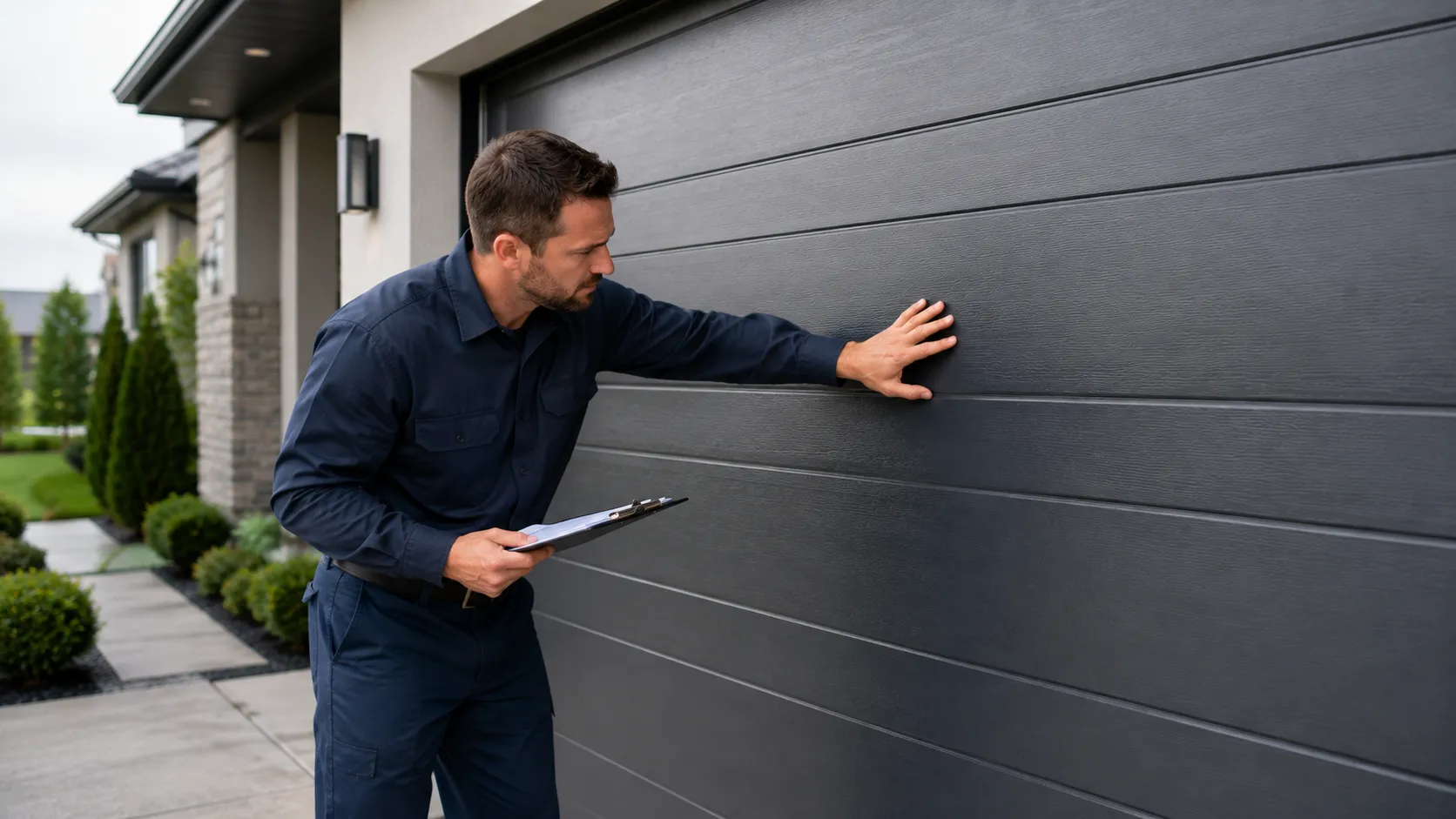
Springs, cables, tracks, rollers, and openers fixed by a tech who explains the problem before touching anything.
Learn more →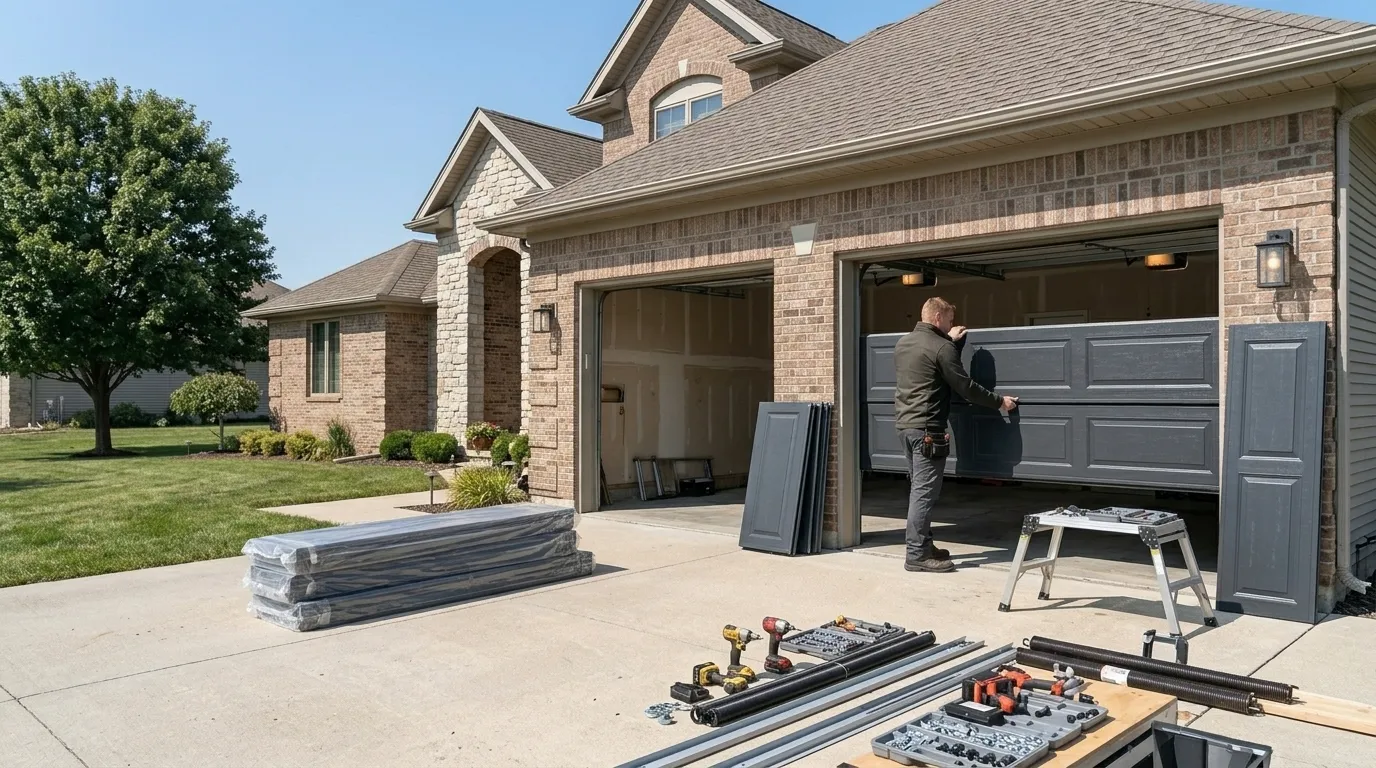
Garage Door Installation
New sectional doors sized and installed for the housing stock actually built in this area.
Learn more →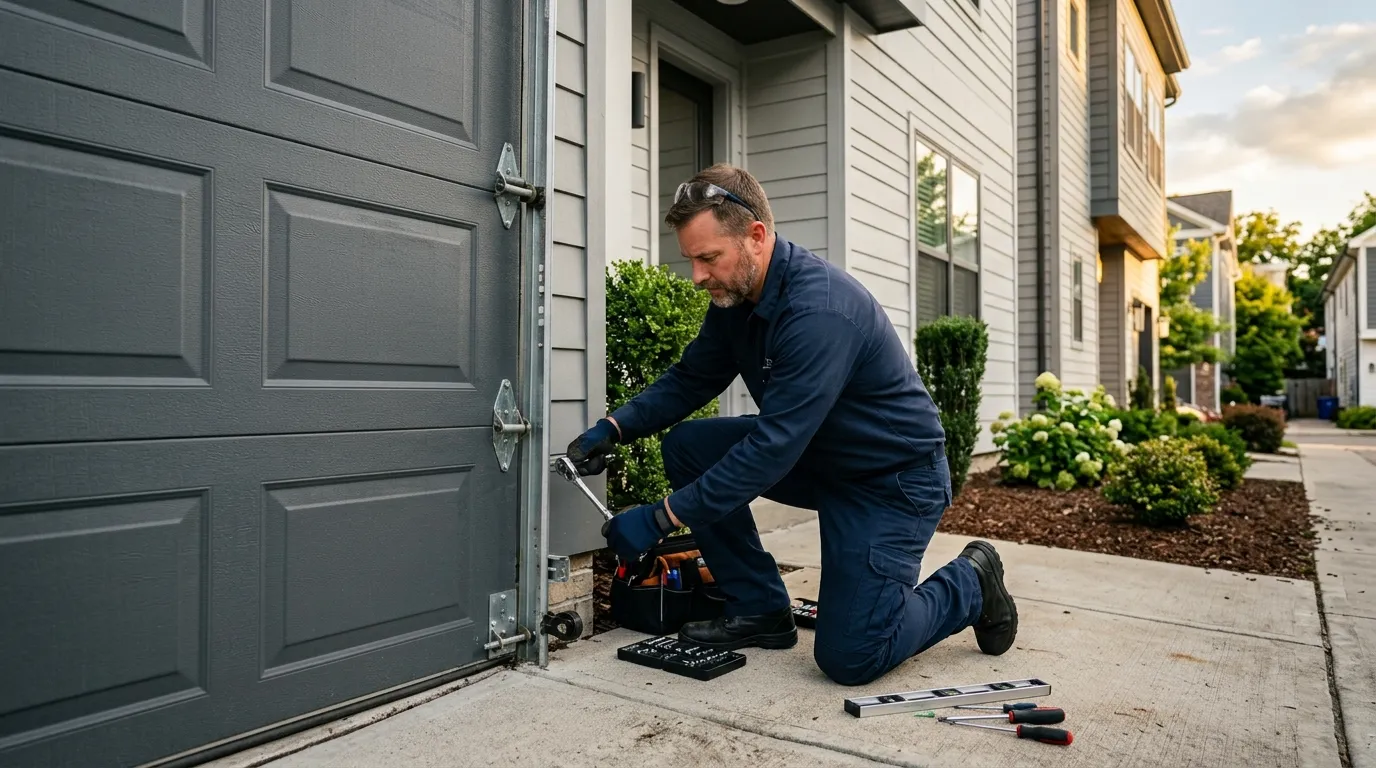
Garage Door Service
Tune-ups, lubrication, and safety checks that catch a small problem before it becomes a service call.
Learn more →Frequently Asked Questions
Why do my garage door sensors work fine for months and then suddenly stop?
Usually nothing sudden actually happened - a bracket that was slightly off for a while finally crossed the threshold where the beam breaks. Slab settling, a loosened screw, or lens grime all build gradually. What looks sudden is really the last straw on a slow drift.
Does Davie's climate affect garage door sensors?
Not through freeze-thaw cracking like colder regions, but the steady humidity here degrades sensor lens plastic over years and causes occasional morning condensation fog. Direct afternoon sun on a west-facing garage can also wash out the beam and mimic a sensor fault.
Can I fix sensor alignment myself?
Often yes. Clean both lenses, check that both indicator lights are solid, and adjust the bracket by hand until they align. If the bracket is bent or the wiring is damaged, that's a different repair and worth having someone look at the mounting hardware itself.
How do I know if I need a repair or a full sensor replacement?
If the bracket and wiring are intact, realignment or cleaning usually solves it. Replacement makes sense when the lens housing is cracked, wiring insulation has broken down, or the unit is old enough that the photo-eye itself is failing rather than just misaligned.
Have a Door That Needs a Second Opinion?
Call and describe what it is doing - we will tell you what it likely is.