
Davie Garage Door Guide
Weather Seals and Draughts: What Davie's Older Garage Doors Need
Davie homes built between 1953 and 2005 often have worn weather seals letting in humidity and draughts. See what to check and what drives repair cost.
- Licensed & Insured
- Same-Area Service Calls
- Upfront Pricing
Checking It Yourself
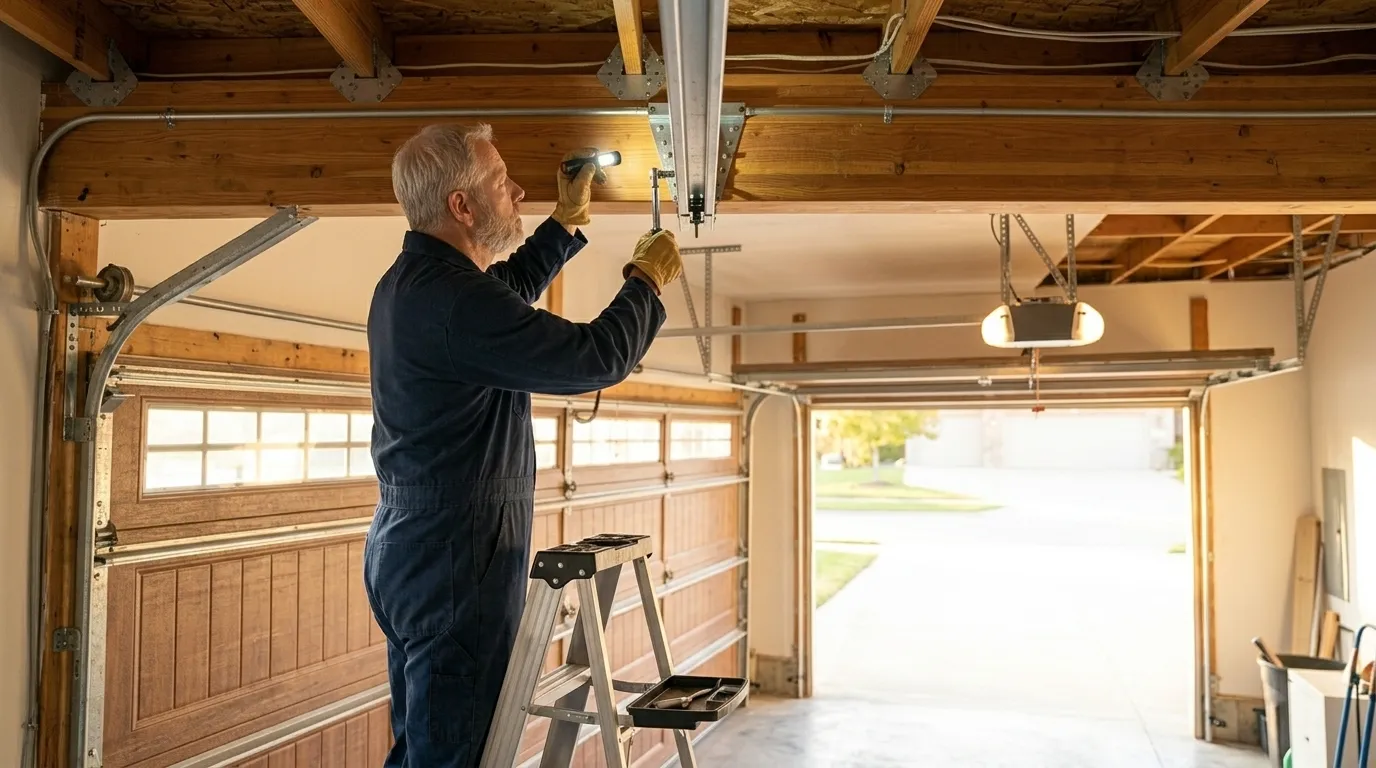
Most houses in Davie went up between 1953 and 2005, with the typical build year landing around 1975, so the garage door you're looking at is probably older than you think even if it's had a facelift. Start at the bottom seal - that's the first piece to go. Run your hand along the underside on a bright afternoon.
If you feel air moving, or you can slide a piece of paper under the door and it pulls through easily at the corners, the seal has shrunk away from the slab. Check the side seals next, where the panel meets the track frame. On the aluminum-frame doors common to the 1960s-70s stock found across the area's older neighborhoods, the seal channel itself can warp slightly, which lets the rubber sit crooked instead of flat.
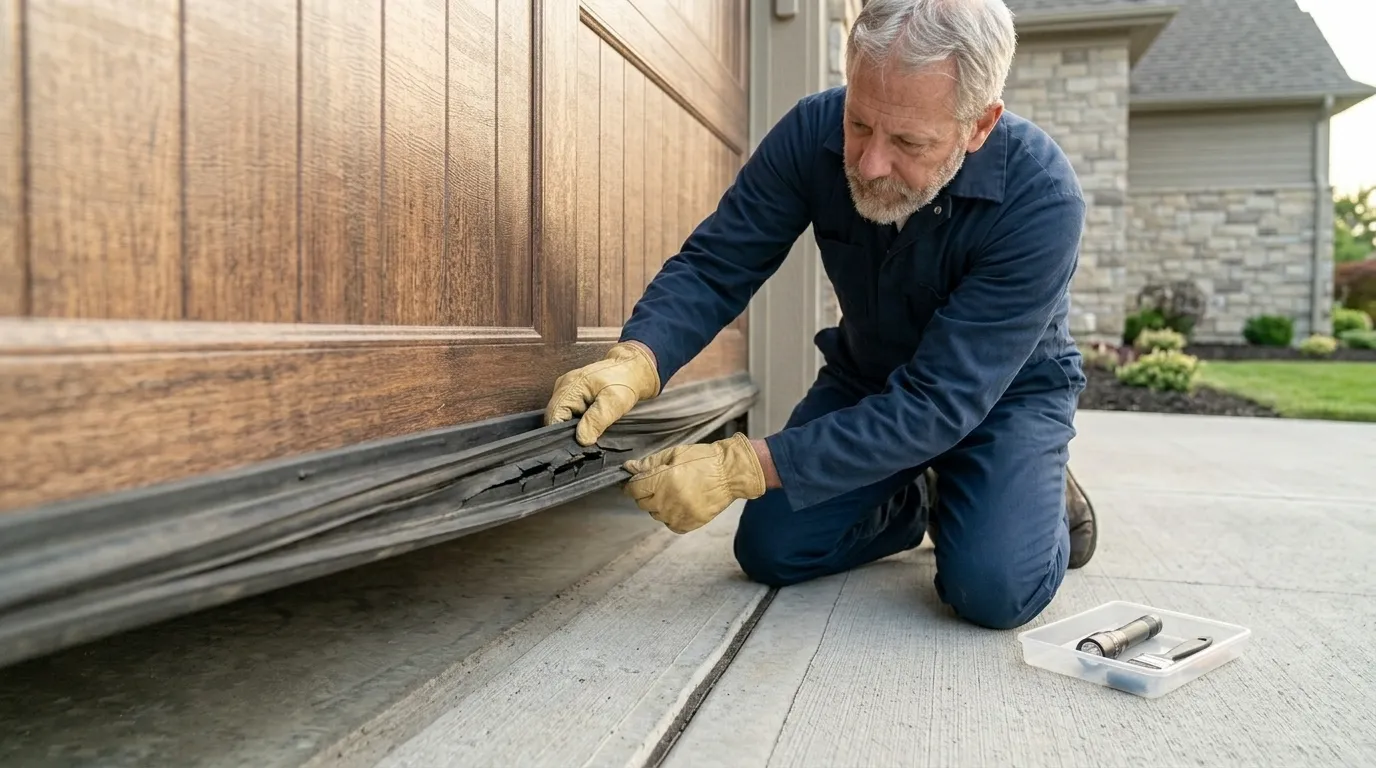
Look for cracking or a chalky surface on the rubber - that's UV and heat breakdown, not cold-weather splitting. What you can't check from the driveway is whether the door is out of balance or the spring is losing tension, since a door pulling hard against a stiff seal will wear that seal faster. That part needs a pro with a scale and some patience, not a flashlight.
What Local Conditions Do
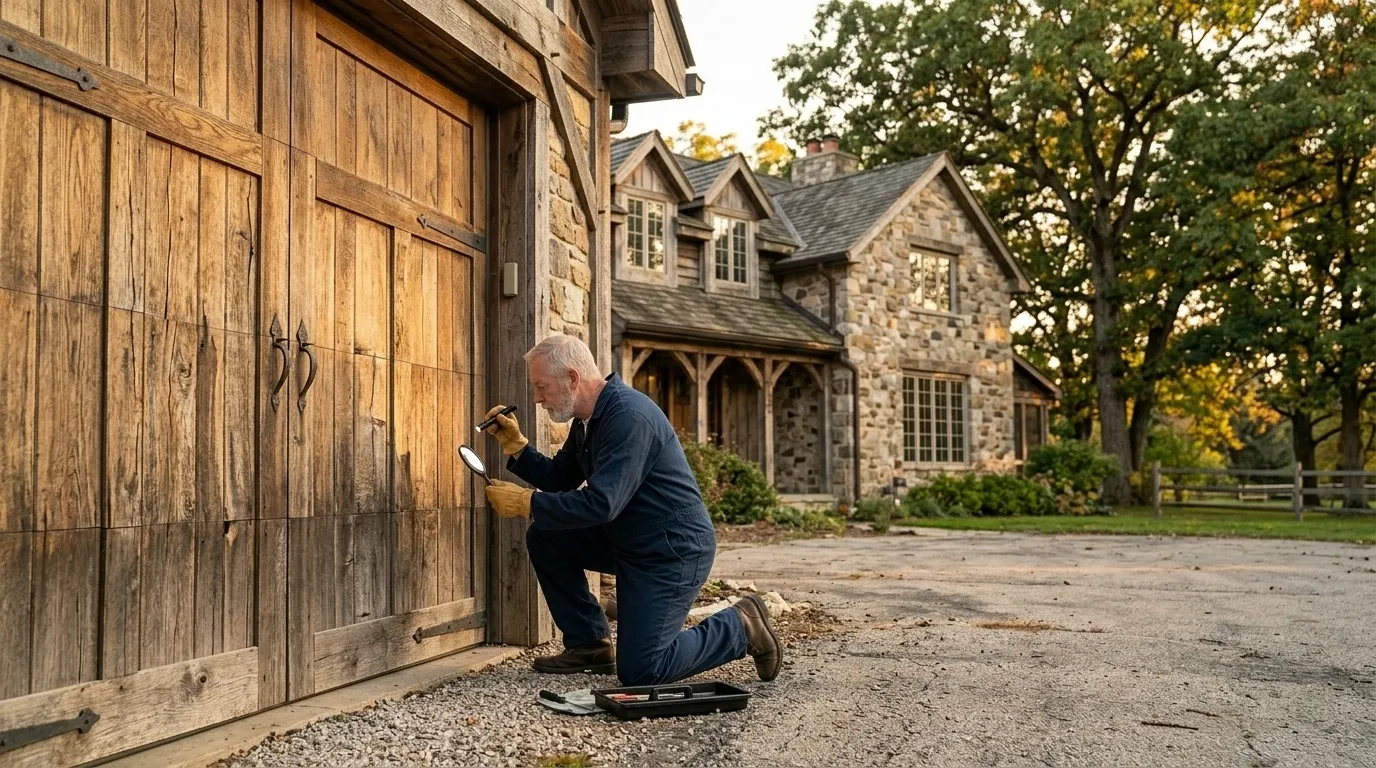
Davie sits in a mild temperate band, so the wear pattern on seals here doesn't look like what you'd see somewhere with hard winters. There's no freeze-thaw cracking, no ice pulling rubber off the track. Instead, the damage comes from steady heat and humidity working the material from the inside out.
Rubber and foam seals harden and lose their flex faster in year-round warmth, and once they stiffen they stop compressing against the slab the way they did when new - that's when you start feeling draughts at the bottom corners instead of a solid seal. Humidity swings also matter more here than temperature swings. Moisture gets pulled into a garage through a gap that wouldn't bother a house somewhere drier, and it sits against stored boxes, tools, or a water heater longer than it would with better airflow.
The fix isn't insulation rated for cold, it's a seal that holds its shape under sun and moisture rather than one built to survive a hard freeze it will never see. That's worth knowing before you buy a seal off a shelf rated for the wrong climate.
What It Costs
We're not going to hand you a number here that we can't back up - seal replacement cost depends on the door's size, whether it's a single or double, what track and panel material it uses, and how much of the frame has to come apart to get the old channel out. A door from the older aluminum-frame stock common in this area sometimes needs the whole seal retainer replaced, not just the rubber, which changes the job. What we can say honestly: this is one of the cheaper garage door repairs there is, and it's rarely worth putting off, since a bad seal lets in enough moisture over months to start affecting the bottom panel itself.
If a seal replacement uncovers a bent track or a warped panel underneath, that's a separate conversation and a separate number. We'd rather look at the actual door than guess at a price that doesn't hold up once we're standing in front of it.
The Problem
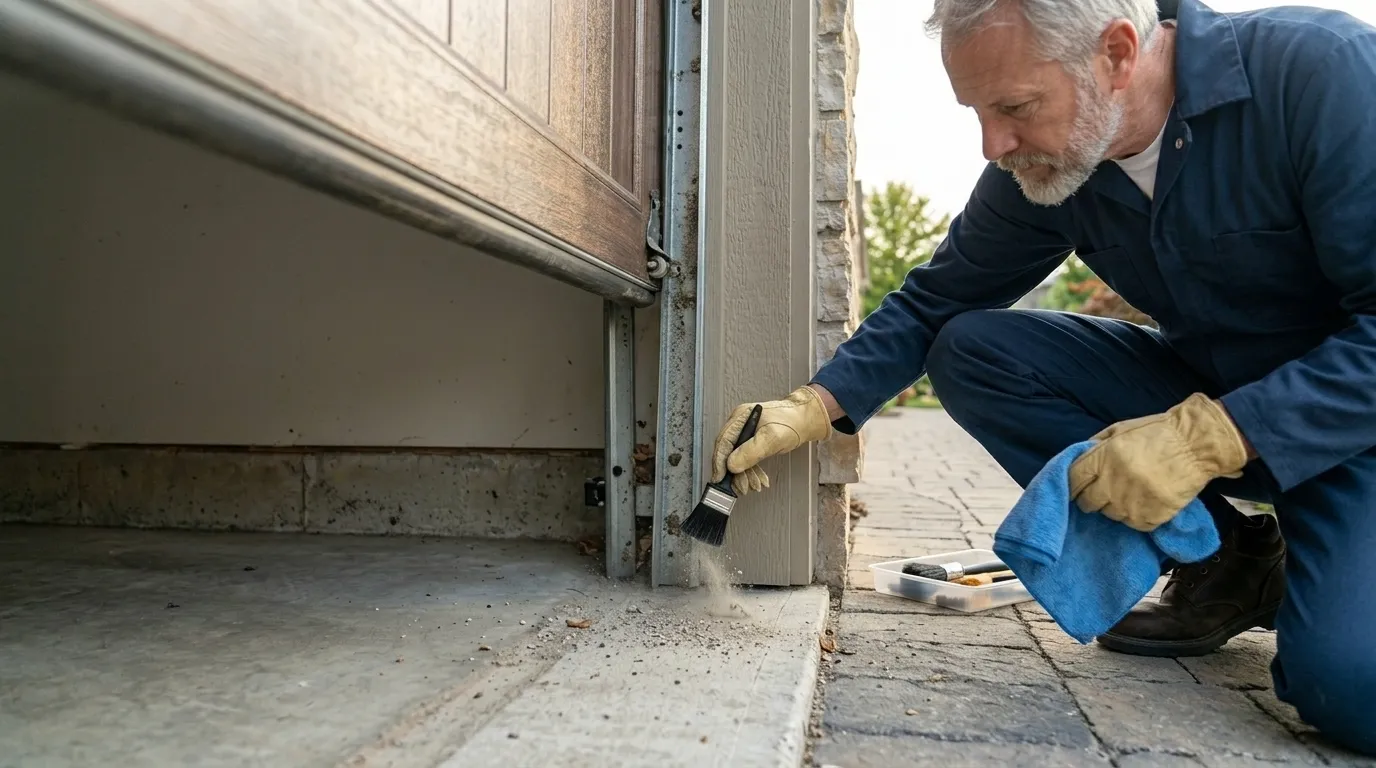
The draught you're feeling usually isn't one thing going wrong - it's fifty-odd years of small settling adding up. A house built in the 1960s or 70s, which describes a lot of the stock in this area, has had decades for the slab to shift a few millimeters at the corners. The seal that was cut and installed flush against that slab back then doesn't sit flush now.
On the newer end of the range, doors built closer to 2005 usually have better factory seal design, but they're still fighting the same slab movement over time. Add in an aluminum frame that's flexed slightly from thermal cycling in a warm, humid climate, and the seal channel itself can be a few degrees out of square. That's why swapping in a generic replacement seal sometimes doesn't fix the draught - the gap isn't uniform, so the fix has to account for where the slab and frame have actually moved, not just where the manual says the seal goes.
How We Can Help
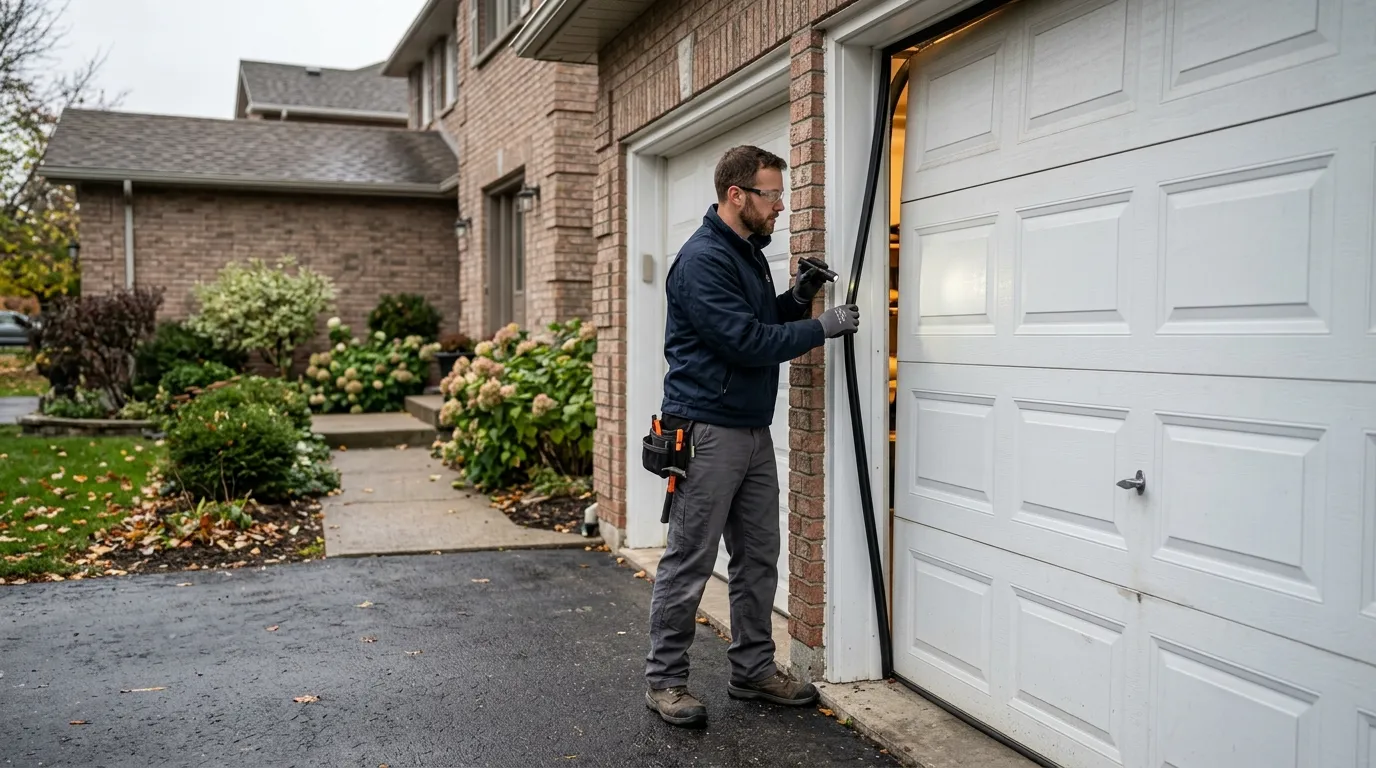
Garage Door Repair
Springs, cables, tracks, rollers, and openers fixed by a tech who explains the problem before touching anything.
Learn more →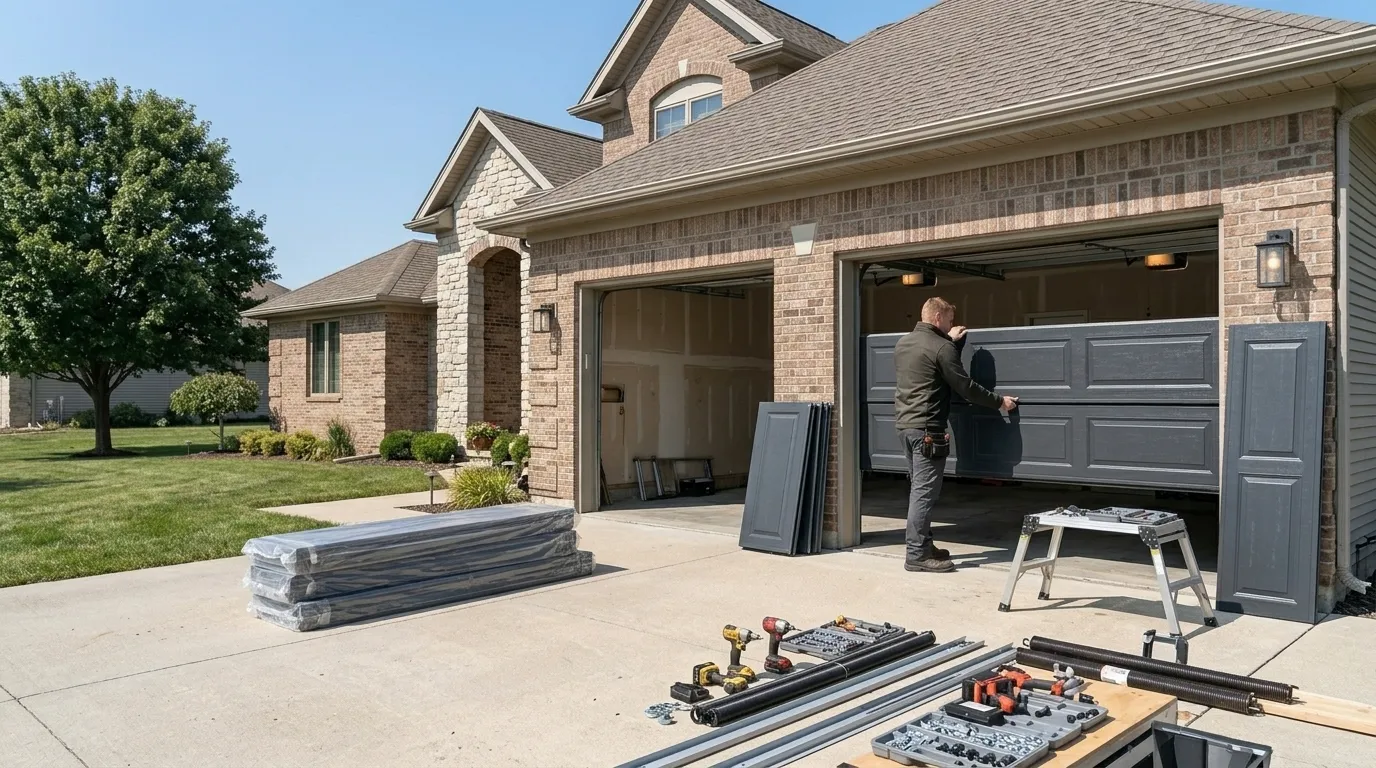
Garage Door Installation
New sectional doors sized and installed for the housing stock actually built in this area.
Learn more →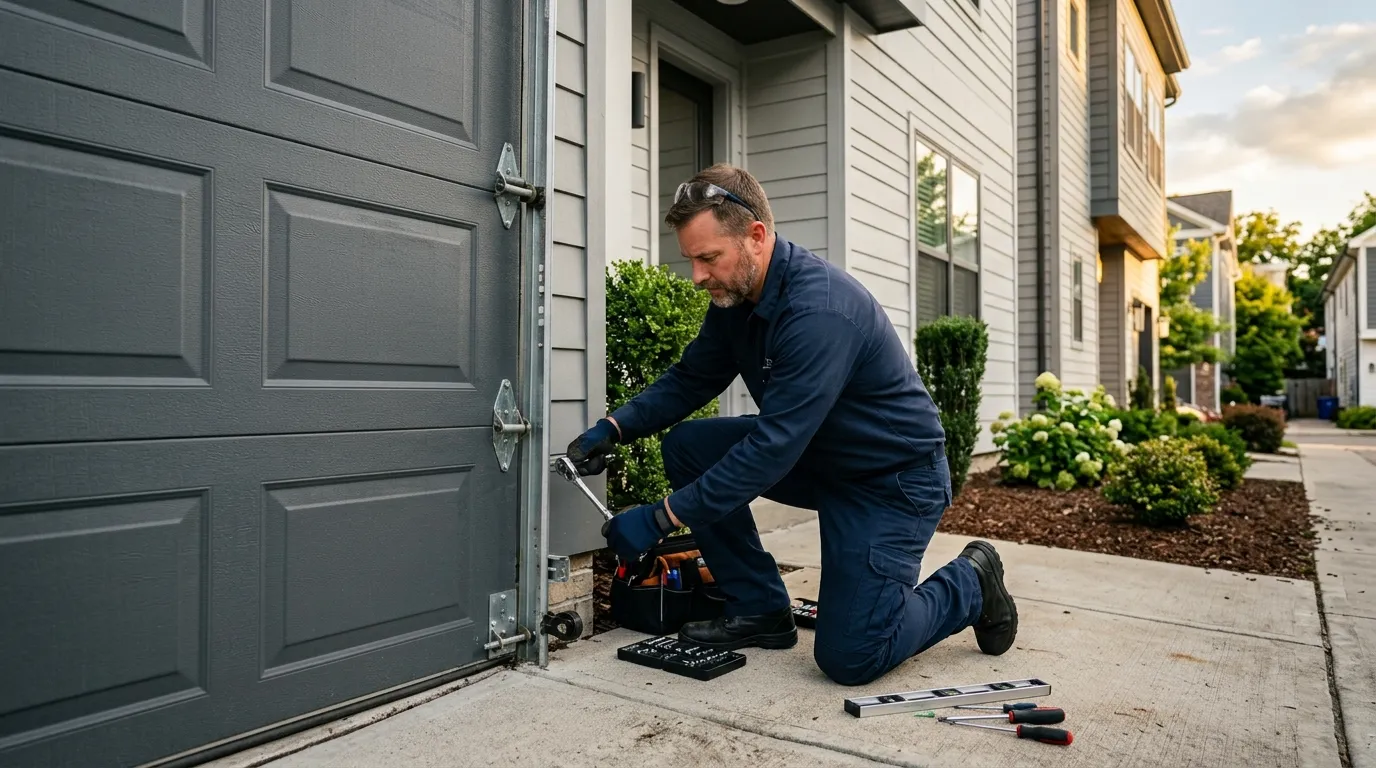
Garage Door Service
Tune-ups, lubrication, and safety checks that catch a small problem before it becomes a service call.
Learn more →Frequently Asked Questions
Why does my garage door let in air even after I replaced the bottom seal?
If the slab underneath has settled unevenly over the decades, a new seal installed straight can still leave gaps at the corners. That's common in houses from the 1960s-70s stock found across this area, where original slabs have had a long time to shift. The fix is often trimming or shimming the seal to match the actual gap, not just swapping the rubber.
Does Davie's climate mean I need a different seal than one rated for cold weather?
Yes. In a mild temperate climate like this one, seals fail from UV exposure and humidity, not freeze cracking. A seal marketed for cold-weather flexibility isn't solving the problem you actually have here - look for one rated for heat and moisture resistance instead.
How do I know if it's the seal or the whole door that's letting in draughts?
Check whether the gap is even across the whole bottom edge or worse at one corner. An even gap usually means the seal itself is worn or shrunk. A gap that's worse on one side often points to a settled slab or a slightly bent track, which the seal alone won't fix.
Have a Door That Needs a Second Opinion?
Call and describe what it is doing - we will tell you what it likely is.